
This week, we’re going to look at something a little different. As part of this module on Trade Unions and Collective Bargaining, which focuses specifically on the role of trade unions, I thought it would be interesting to explore how trade unions are depicted in popular culture and the media. Popular culture, think movies, TV shows, music, cartoons, and news, shapes our perceptions of work, power, and collective action. These depictions can reinforce stereotypes, highlight injustices, or inspire change. But are they accurate? Let’s dive in.
Pre-Video Reflection Questions
To get you thinking critically before the video, take 5 minutes to jot down your responses. (just for yourself – No need to send it to me -We’ll talk about it next week )
- Personal Experiences with Media Depictions: Can you recall any movies, TV shows, books, or songs that feature trade unions, strikes, or workplace conflicts? For example, have you seen films like Billy Elliot or heard songs about workers’ rights? How were unions or workers portrayed—positively (as heroes fighting for justice), negatively (as troublemakers), or neutrally?
- Influence on Public Opinion: Do you think popular media shapes how people view trade unions in real life? Why or why not? Consider if these depictions make unions seem outdated, powerful, corrupt, or essential.
- Cultural Context: In Irish or global culture, how might historical events like the 1913 Dublin Lockout or the UK miners’ strikes influence modern media portrayals? What biases (e.g., pro-business or pro-worker) do you notice in news coverage of strikes today?
Watch the Video Lecture
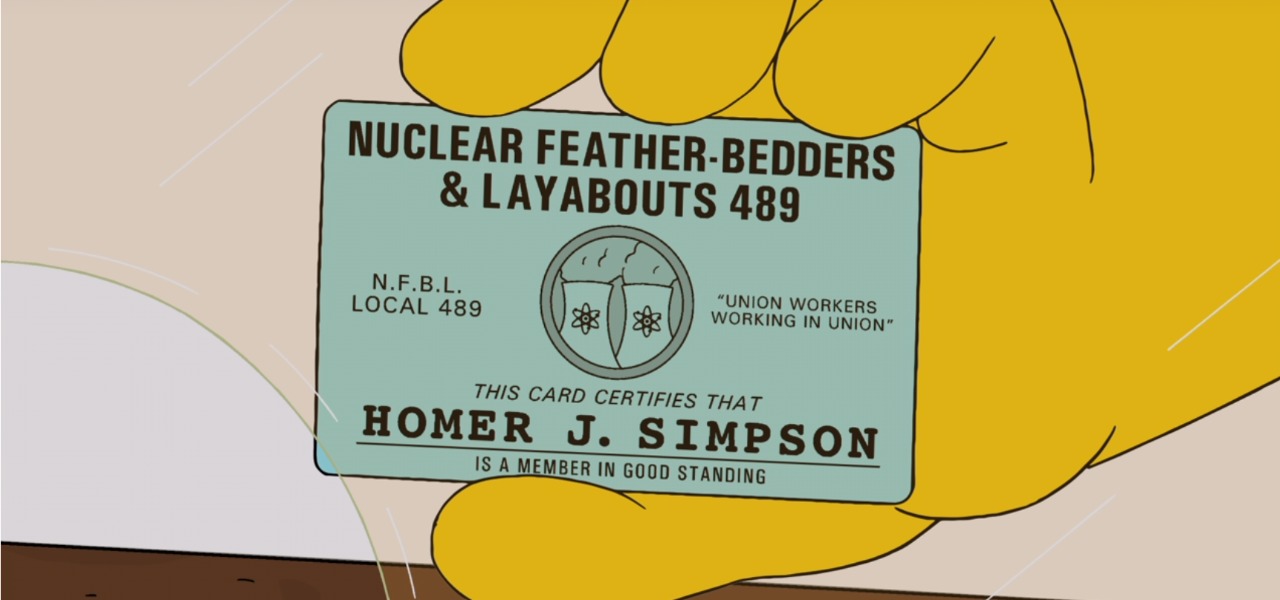
Now, watch this video from a lecture I gave to students in Dublin City University (DCU). It’s titled Industrial Relations and Popular Culture The lecture examines real examples from cartoons (like The Simpsons), films (Pride, Made in Dagenham), TV (The Office), music (Dolly Parton, Bruce Springsteen), and more, connecting them to themes of power, resistance, and union democracy.
Video Link: Watch here on YouTube
Take notes while watching:
- Key examples mentioned.
- How popular culture reflects or distorts industrial relations.
- Connections to trade union history, like SIPTU’s roots in Liberty Hall and figures like James Connolly.
This session highlights how culture intersects with union work: media isn’t neutral; it influences bargaining power and democracy at work.
Answer this Slido:
We will discuss this in more detail in class.